
Pixar Needs Therapy
Pete Docter, heal thyself

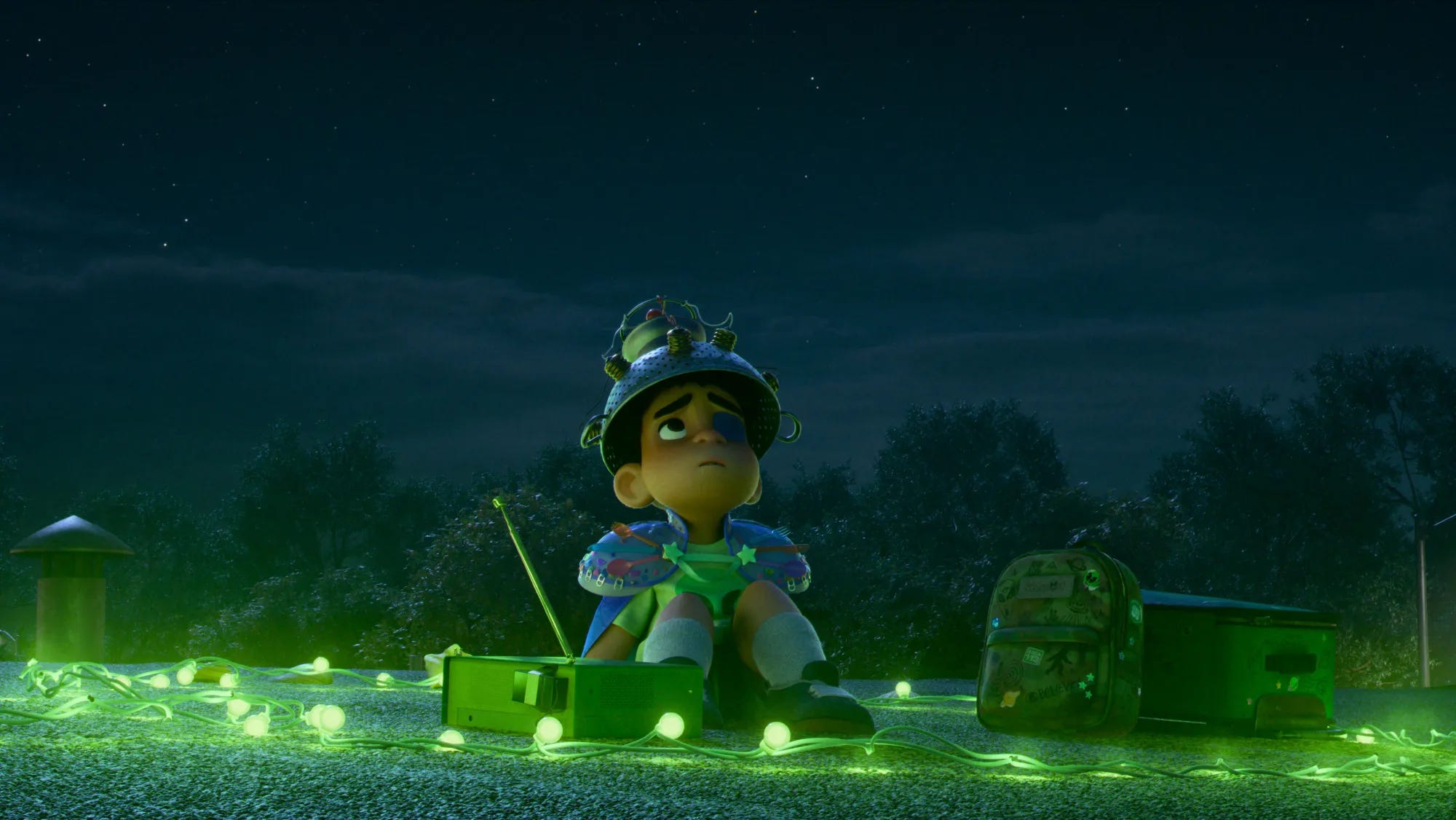
The gays are too expensive.
Or perhaps, the better word is costly.
Pixar “creative” chief Pete Docter says the studio removed queer threads from last year’s Elio and conducted massive re-work on a mostly finished film because the studio’s purpose is “making a movie, not hundreds of millions of dollars of therapy.”
This is a mistake on our part, of course. Why should we have assumed that Pete Docter was interested in therapizing? I mean, he only directed Inside Out.
And Inside Out 2.
And Up.
Wait a minute…
Okay, new theory: It’s not the “therapy” you have a problem with, Pete. Unless, of course, it’s a different kind of therapy you’re thinking of in this particular instance. But I get it, you’re a big-wig at the sellout factory now. You have to keep those conversions in mind, on all fronts.
Physician, eat my shorts.
“As time’s gone on, I realized my job is to make sure the films appeal to everybody,” Docter said in the same interview with famously therapy-neutral publication The Wall Street Journal.
The Docter’ed version of Elio didn’t even earn back its production budget. But at least everybody liked it.
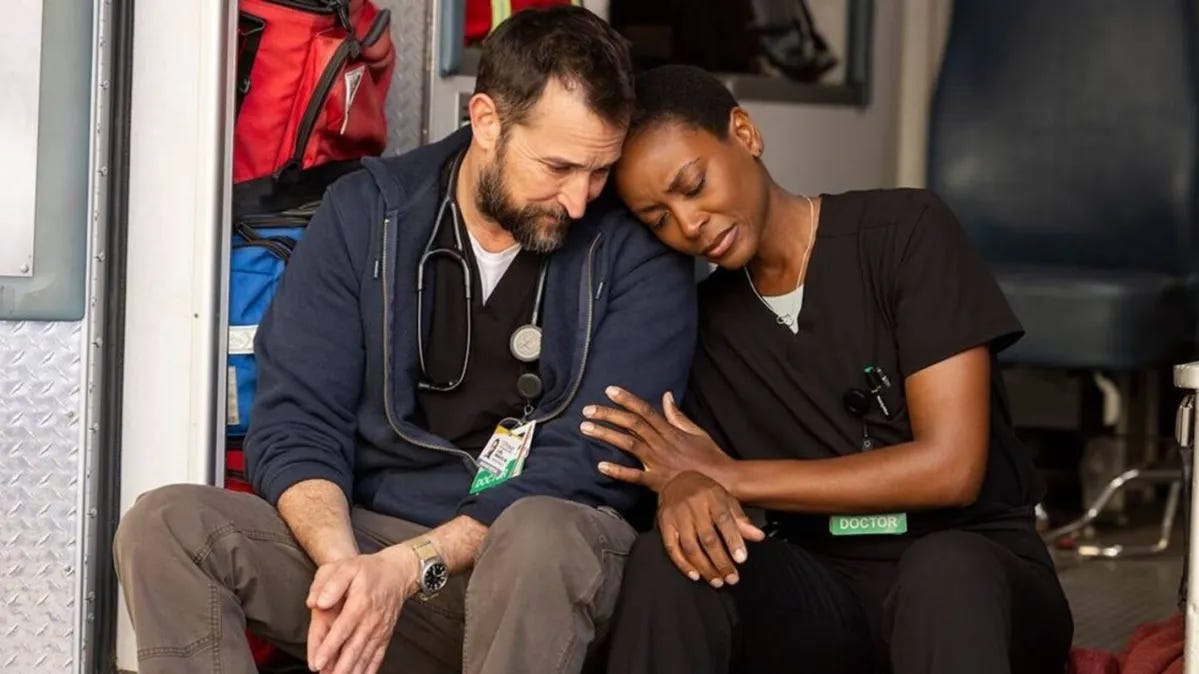
Lately, I’ve been watching The Pitt, where the doctors’ greatest foe is frequently not illness or injury, but the financial demands of their corporate overloads. Get your approval numbers up. Make sure everyone likes you, including that lady yelling about the evils of masks in the middle of a hospital, and the parents of the unvaccinated kid with measles facing brain injury.
The job of a doctor, or of a Docter, it seems, is to capitulate to the dumbest common denominator. But while we’re on the subject of actual medical practice, let’s look a little closer at ol’ Pete’s apparent definition of “therapy.”
Therapy, it would seem, is not learning to deal with devastating loss in old age. It has nothing to do with processing emotions as a teenage girl who’s struggling. Never mind that Pixar literally consulted with therapists while making Inside Out. that doesn’t count, apparently. Perhaps, in Pete Docter’s mind, “therapy” only applies to the kind of representation that his ideal reader — theoretically the kind of person who quotes scripture at a schoolboard meeting — would write an angry letter about. The only real people out there are the ones still making vegan jokes in Pixarkana.
“Hundreds of millions of dollars of therapy,” coming from the man who directed two movies literally about therapy for kids, means something different. It’s therapy the way that uncle talks about therapy — a massive coddling-industrial complex designed to tell people who should be bullied into cultural obedience that they are, in fact, not broken.
I don’t know what Dr. Michael Robinavitch would say to that definition, but I’d like to think he’d tell Docter Pete to eat shit. Or, at the very least, to go back to his micro-managerial ivory tower and let the actual artists at Pixar get the fuck back to work.

I watch the trailer for the 88th Taylor Sheridan series on David Ellison’s Paramount+, The Madison, which seems to be therapy for old men who long for the Reagan Era. Or maybe the Kurt Russell character is just longing for the elk and the river on his sprawl of private land. “You will have as much life as you allow yourself,” Will Arnett says in what appears to be a literal therapy session. But for some people, they won’t. They will have as much life as they are allowed to have by the kinds of people Pete Docter makes movies for.
The Sheridan oeuvre is a a strange ouroboros — a collection of American mythos and “Great Man” romanticizing that still tries to claim a certain nature-forward badge of honor from a viewership that voted for the administration currently decimating our national forests. Pixar’s latest, “Hoppers,” puts its human protagonist in the body of a beaver to try to stop the destruction of a local ecosystem. Just don’t ask anyone how much environmentalism they cut, or how the film depicts actual protest on behalf of the natural world.
Thank goodness that Sheridan and the beavers are making the world safe for fly fishing.
It’s a shame to see the man who brought us Mike Wazowski put a Sully-sized foot in his mouth. But of course, we can’t be exclusionary with our movies, as the Ellisons would surely agree. Rather, the leading media strategy these days seems to be incorporating as many monsters as possible.
Oeuvre and ouroboros in one sentence? Good grief!
Great piece. You may find catharsis in this https://youtu.be/HJLHlBptI-s?si=QLlXc-enNBNsLFMU